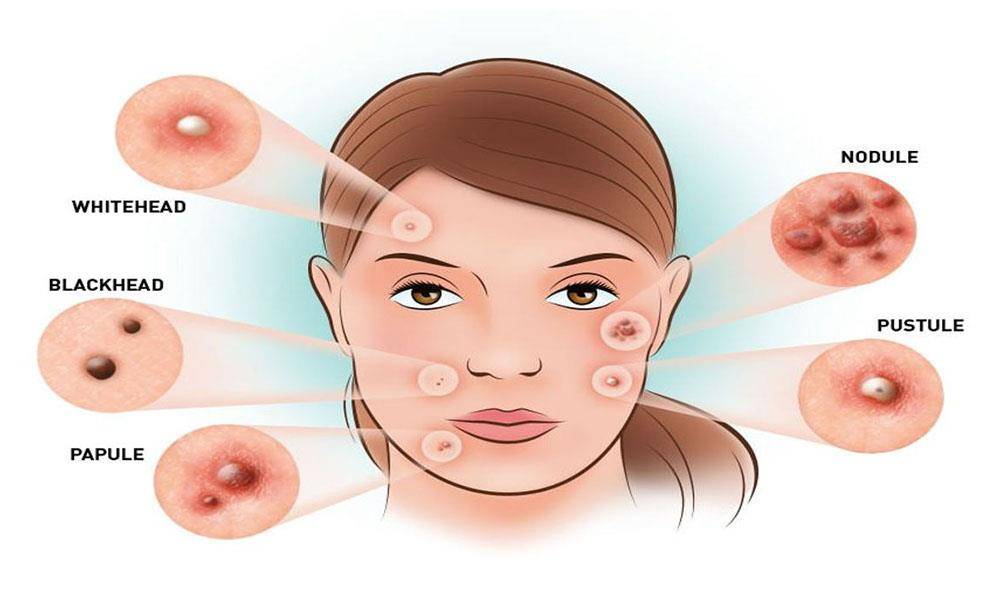
Acne is one of the most common skin issues faced by teenagers—and hormones are a major reason why. If you’ve ever wondered why breakouts suddenly appear during puberty or why they flare up around your menstrual cycle, the answer lies in your hormones.
In this blog, we’ll explain how hormones affect your skin, especially during puberty, and how you can manage hormonal acne with smart skincare and lifestyle choices.
What Are Hormones and What Do They Do to Your Skin?
Hormones are chemical messengers in your body that control many functions—growth, mood, metabolism, and yes, your skin too. When these hormone levels fluctuate, they can directly impact how much oil your skin produces, how your skin repairs itself, and how it responds to inflammation.
The main hormones that affect the skin are:
-
Androgens (like testosterone)
-
Estrogen and progesterone
-
Cortisol (stress hormone)
-
Insulin and IGF-1 (insulin-like growth factor)
Hormones and Acne: What’s the Connection?
The most common way hormones affect your skin is by triggering acne. Here’s how it works:
-
Androgens, especially during puberty, increase the size and activity of sebaceous (oil) glands in your skin.
-
More oil production leads to clogged pores, especially when mixed with dead skin cells.
-
This creates an environment for acne-causing bacteria (P. acnes) to grow.
-
The result: whiteheads, blackheads, pimples, or even painful cystic acne.
Related Read:
- Different Types of Acne: Blackheads, Whiteheads, Cysts & More
- Hormonal Imbalance & Hair Fall: What’s the Link?
Puberty and Acne: Why Teenagers Break Out
During puberty, both boys and girls experience a spike in androgen levels. This causes:
-
More oil (sebum) production
-
Faster skin cell turnover
-
Higher chances of pore blockages
This is why teen acne is so common—especially on the forehead, nose, chin, chest, and back.
Hormonal Acne in Women: Beyond Puberty
Even after the teenage years, hormonal acne continues for many women. It’s often triggered by:
-
Menstrual cycle
-
Pregnancy
-
Polycystic ovary syndrome (PCOS)
-
Birth control changes
-
Menopause
These fluctuations can cause breakouts—usually around the chin, jawline, and cheeks.
Signs Your Acne Is Hormonal
Wondering if your acne is hormone-related? Look for these signs:
-
Breakouts around jawline, chin, or lower cheeks
-
Cystic, deep, and painful pimples
-
Acne flares up during periods
-
Skin feels oily but dry patches also appear
How to Manage Hormonal Acne
Hormonal acne can be stubborn, but it can be managed with the right approach:
1. Use the Right Skincare Products
Choose non-comedogenic products. Look for ingredients like:
-
Salicylic acid
-
Benzoyl peroxide
-
Niacinamide
-
Retinoids (with a doctor’s advice)
2. Eat a Balanced Diet
Reduce intake of sugar, dairy, and processed foods. Eat more fruits, vegetables, and omega-3 fatty acids.
3. Manage Stress
High cortisol levels increase oil production. Practice meditation, exercise, or hobbies that relax you.
4. Consult a Dermatologist
For persistent hormonal acne, treatments may include:
-
Birth control pills
-
Anti-androgen medications (like spironolactone)
-
Prescription retinoids
-
Isotretinoin in severe cases
Related Read:
- 10 Common Myths About Acne (And The Truth)
- How Hormones Affect Your Skin: Acne & Puberty Explained
- Causes of Acne You Didn’t Know About
Conclusion
Hormones play a powerful role in your skin’s health—especially when it comes to acne. Whether you’re going through puberty or dealing with adult hormonal acne, understanding the root cause can help you choose the right treatment. With the right skincare, a balanced lifestyle, and medical help when needed, you can keep your hormones and skin in harmony.
Sources
-
American Academy of Dermatology
-
Mayo Clinic
-
Healthline
-
Journal of Clinical and Aesthetic Dermatology
Disclaimer
This blog is for educational purposes only. It is not intended to replace professional medical advice, diagnosis, or treatment. Always consult a qualified healthcare provider for personalized guidance.