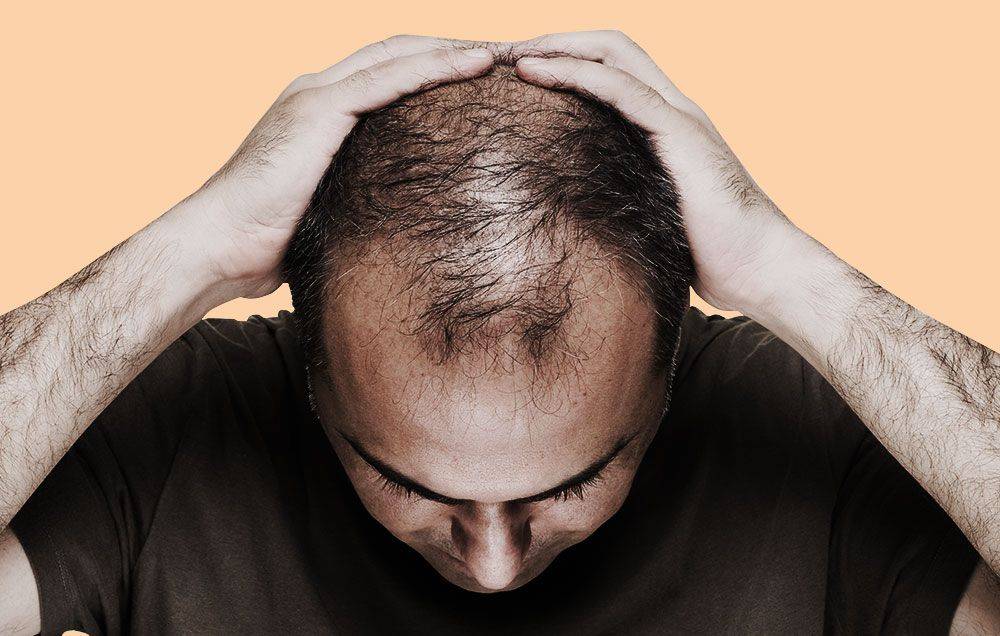
Hair loss is a deeply personal issue that affects millions of people, regardless of age or gender. But do you really know what causes hair loss?
While it’s easy to blame shampoo or poor hygiene, the truth is that hair loss is influenced by multiple internal and external factors—and most of them are backed by science.
In this blog, we’ll break down the scientific reasons for hair loss, the types, and what you can do to protect your hair naturally.
1. Genetics (Hereditary Hair Loss)
The most common cause of hair loss is androgenetic alopecia—also known as male or female pattern baldness. It’s passed down through genes and is influenced by a hormone called DHT (dihydrotestosterone), which shrinks hair follicles over time.
Key Signs: Gradual thinning at the crown or a receding hairline
Science Says: This condition affects up to 80% of men and 50% of women by age 50.
2. Hormonal Imbalances
Hormonal shifts due to thyroid disorders, PCOS, pregnancy, menopause, or birth control can disrupt the hair growth cycle. An imbalance in estrogen, testosterone, or thyroid hormones can trigger excessive shedding or thinning.
Key Signs: Sudden shedding or thinning all over the scalp
Science Says: Hormones regulate hair follicle activity, and imbalances often push hair into the resting (telogen) phase too soon.
3. Nutritional Deficiencies
Lack of essential nutrients like iron, vitamin D, zinc, biotin, and protein can weaken hair roots and slow growth. Even crash dieting can cause temporary hair loss.
Key Signs: Brittle hair, thinning, or excessive breakage
Science Says: A well-balanced diet is critical for strong, healthy hair. Hair is made primarily of protein (keratin).
4. Stress and Anxiety
Stress triggers a type of hair loss called telogen effluvium, where more hair enters the shedding phase. This usually happens 2–3 months after a stressful event like surgery, illness, or emotional trauma.
Key Signs: Sudden hair fall in clumps, especially while washing or brushing
Science Says: Cortisol, the stress hormone, shortens the hair growth cycle and promotes inflammation.
5. Medical Conditions
Certain illnesses like autoimmune disorders (alopecia areata), scalp infections, lupus, and diabetes can directly impact hair follicles.
Key Signs: Patchy bald spots, redness, or itching on the scalp
Science Says: Autoimmune hair loss happens when the immune system mistakenly attacks hair follicles.
6. Medications and Treatments
Chemotherapy, antidepressants, blood pressure drugs, and even high doses of vitamin A can lead to temporary or long-term hair loss.
Key Signs: Hair loss begins weeks after starting a new medication
Science Says: These drugs can disrupt the natural growth cycle of hair (anagen → telogen → exogen).
7. Hairstyling Habits (Traction Alopecia)
Tight ponytails, braids, excessive heat styling, and chemical treatments like rebonding or coloring can weaken hair and damage the follicles.
Key Signs: Receding hairline or hair loss around temples and forehead
Science Says: Constant pulling on hair roots leads to inflammation and eventual follicle damage.
8. Aging and Hair Cycle Slowdown
As we age, our hair growth cycle shortens, and hair becomes finer and thinner. Natural production of hair-friendly hormones and proteins also declines.
Key Signs: Hair looks less dense or grows slower after 40
Science Says: Hair grows in cycles—and aging reduces the number of active follicles.
9. Hard Water and Scalp Conditions
Mineral-rich hard water, dandruff, seborrheic dermatitis, and fungal infections can clog follicles, affect scalp health, and weaken hair roots.
Key Signs: Itchy scalp, flaking, dryness, and slow hair growth
Science Says: A healthy scalp is the foundation for healthy hair.
Related Read:
- Morning vs Night Hair Care: What Works Best for Healthy Hair?
- Best Daily Hair Care Routine for Healthy, Strong Hair
- DHT & Hair Loss: The Hidden Hormone Behind Baldness
How to Protect Your Hair Naturally
-
Eat a nutrient-rich diet: Include protein, iron, omega-3s, and vitamins A, D, E, and B-complex
-
Use mild shampoos: Avoid harsh sulfates and parabens
-
Massage your scalp: Improves blood circulation to follicles
-
Avoid tight hairstyles & excessive heat
-
Manage stress: Practice yoga, meditation, or therapy
-
Consult a dermatologist if hair loss persists or worsens
Conclusion
Hair loss isn’t just about what’s happening outside—it’s a reflection of what’s happening inside your body too. Whether it’s stress, diet, hormones, or genes, understanding the real cause of hair loss is the first step to managing it. The earlier you act, the better your chances of restoring strong, healthy hair.
Sources
-
American Academy of Dermatology
-
National Institutes of Health (NIH)
-
Mayo Clinic
-
Healthline
-
Trichology Research Journal