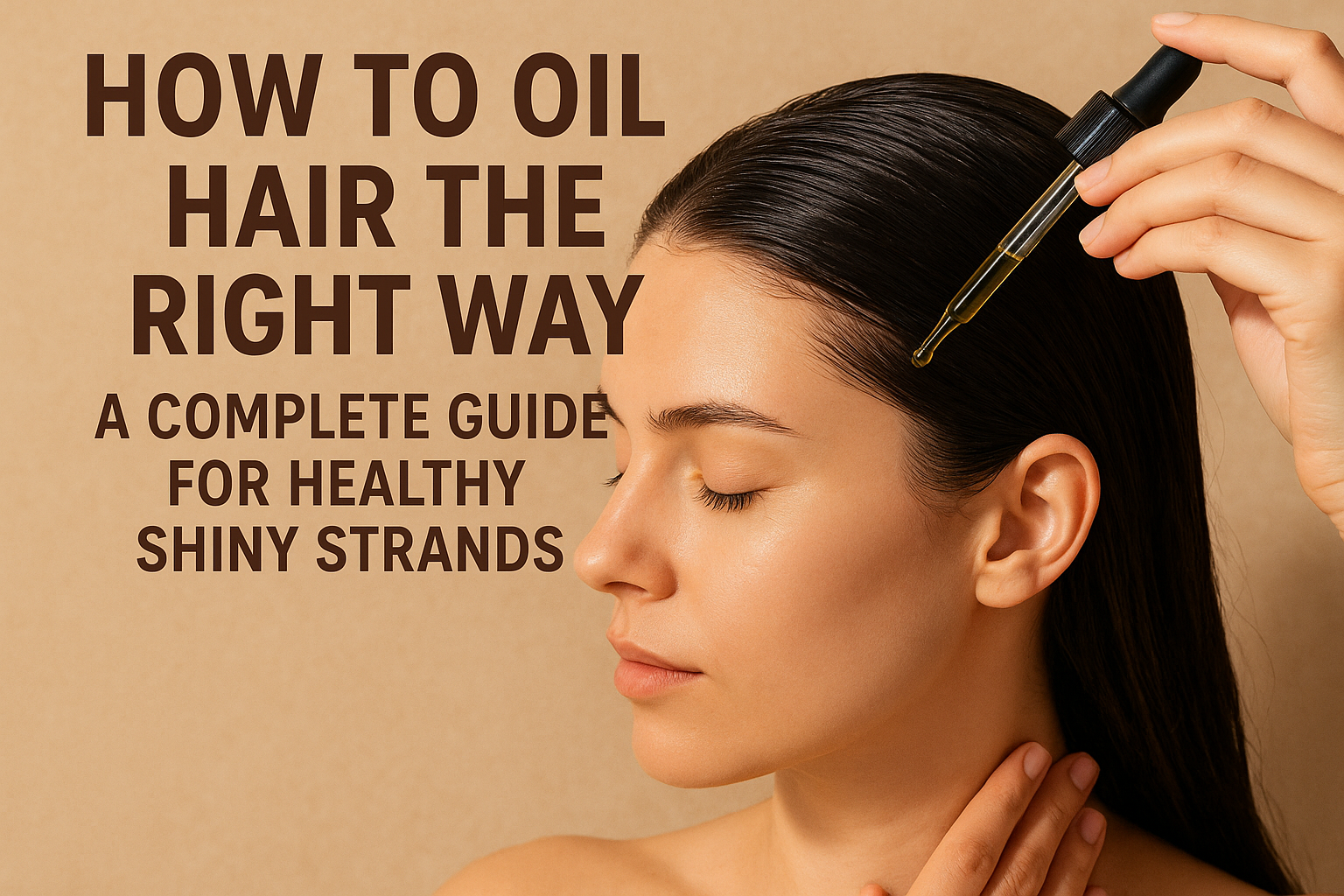
Hair oiling has been a part of traditional beauty rituals for centuries—from Ayurvedic practices in India to Mediterranean olive oil treatments. But here’s the catch: most people don’t oil their hair the right way. Using too much oil, applying it incorrectly, or washing it off improperly can actually cause more harm than good.
When done correctly, hair oiling can strengthen roots, nourish the scalp, reduce frizz, and promote long-term growth. In this guide, we’ll cover how to oil hair the right way, dermatologist-approved techniques, and mistakes to avoid so you can get the most out of this ancient hair care ritual.
Why Oiling Your Hair Matters
Hair oils are rich in vitamins, fatty acids, and antioxidants that help:
-
Nourish the scalp and keep it healthy
-
Moisturize hair strands and prevent dryness
-
Reduce frizz and add natural shine
-
Strengthen hair roots to minimize breakage
-
Support circulation in the scalp, which may encourage growth
But results depend on how you oil your hair. Technique matters just as much as the oil you choose.
Also Read:
- 10 Natural Remedies for Soft, Shiny Hair at Home
- Hormonal Imbalance & Hair Fall: What’s the Link?
- Hair Fall Due to Stress: Why It Happens & How to Stop It
- Is Your Skin Actually Healthy? 7 Signs to Check Right Now
- What Is Acne and Why Does It Happen?
Step-by-Step: How to Oil Your Hair the Right Way
1. Choose the Right Oil for Your Hair Type
Not all oils work for everyone.
-
Dry, frizzy hair: Coconut oil or castor oil
-
Fine or thin hair: Argan oil or grapeseed oil
-
Oily scalp: Jojoba oil (balances sebum)
-
Color-treated or damaged hair: Olive oil or almond oil
-
Thinning hair: Rosemary oil (diluted with a carrier oil)
👉 Pick an oil that matches your hair type and goals.
2. Warm the Oil Slightly
Heating the oil (but not too hot) helps it penetrate better. Warm 2–3 tablespoons of oil in a bowl using the double-boiler method.
3. Section Your Hair
Divide your hair into small sections before applying. This ensures the oil reaches the scalp and ends evenly.
4. Apply to Scalp First
Dip your fingertips (not nails) into the oil and massage gently in circular motions. Focus on the roots, where nourishment is most needed.
Why: Massaging stimulates blood circulation, relaxes the scalp, and helps oil absorption.
5. Work the Oil Down to the Ends
After covering your scalp, run your hands through the lengths of your hair. This prevents split ends and dryness.
6. Massage for 10–15 Minutes
Spend at least 10 minutes massaging your scalp. This not only distributes oil but also relieves stress and improves circulation.
7. Leave It On (But Not Too Long)
-
For normal to dry hair: Leave oil for 30 minutes to overnight.
-
For oily hair: Keep it for 30 minutes to 1 hour only.
👉 Avoid leaving oil on for days—it can clog pores, attract dirt, and cause dandruff.
8. Wash Properly
Always use a gentle, sulfate-free shampoo to wash out the oil. You may need to shampoo twice, depending on how much oil you used.
9. Condition & Rinse with Cool Water
Follow with a conditioner to lock in moisture and rinse with cool water for extra shine.
Common Mistakes to Avoid
❌ Using too much oil (leads to greasy buildup and hair fall while washing)
❌ Scratching scalp with nails while massaging
❌ Leaving oil on for too long (can clog scalp pores)
❌ Using hot oil directly (damages scalp and hair)
❌ Skipping shampoo after oiling (dirt sticks to hair)
How Often Should You Oil Your Hair?
-
Dry/Curly Hair: 2–3 times a week
-
Oily Hair: Once a week
-
Normal Hair: 1–2 times a week
Consistency is key—don’t overdo it.
Final Thoughts
Oiling your hair is more than a tradition—it’s a scientifically supported method for keeping your hair strong, shiny, and healthy. The trick lies in using the right oil, the right amount, and the right technique.
By following these steps—choosing wisely, warming the oil, massaging properly, and washing effectively—you’ll unlock the full potential of hair oiling and see real results over time.