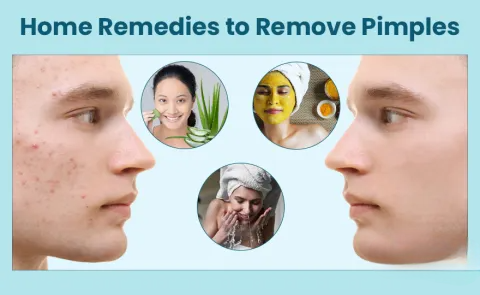
If you’re tired of using chemical-based pimple creams that don’t work or make things worse, you’re not alone. Many people turn to natural home remedies—but which ones actually work?
In this blog, we’ll explore the best home remedies for pimples that are backed by science, not just old wives’ tales. These remedies are gentle, budget-friendly, and often found right in your kitchen.
1. Honey – Nature’s Antibacterial Gel
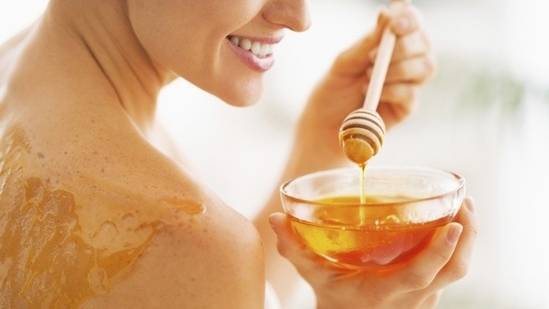
Honey has natural antibacterial and anti-inflammatory properties. It can reduce swelling, kill acne-causing bacteria (Propionibacterium acnes), and promote wound healing.
How to Use:
Dab raw organic honey directly on the pimple. Leave it for 15–20 minutes, then rinse with lukewarm water.
Science Says:
Studies have shown that honey can accelerate skin healing and reduce bacterial growth.
2. Aloe Vera – Soothes and Heals
Aloe vera contains salicylic acid and sulfur—both used in conventional acne treatments. It soothes irritated skin, reduces redness, and speeds up healing.
How to Use:
Apply fresh aloe vera gel directly from the plant or use pure aloe gel twice daily.
Science Says:
Research supports aloe’s anti-inflammatory and antibacterial effects on mild to moderate acne.
3. Tea Tree Oil – Fights Bacteria Naturally
Tea tree oil is a powerful antimicrobial and anti-inflammatory essential oil. It’s known to kill acne-causing bacteria and reduce the size of pimples.
How to Use:
Mix 1 drop of tea tree oil with 8–10 drops of a carrier oil (like coconut or jojoba oil). Apply with a cotton swab.
Science Says:
Studies found 5% tea tree oil gel was nearly as effective as 5% benzoyl peroxide but with fewer side effects.
Related Read:
- 10 Common Myths About Acne (And The Truth)
- How Hormones Affect Your Skin: Acne & Puberty Explained
- Causes of Acne You Didn’t Know About
4. Green Tea – Detox for Skin
Green tea is rich in antioxidants, particularly epigallocatechin-3-gallate (EGCG), which reduces sebum production and inflammation.
How to Use:
Brew green tea, let it cool, and apply to your skin with a cotton pad or spray bottle.
Science Says:
Topical green tea extract can significantly improve acne over time.
5. Apple Cider Vinegar – A Natural Toner
Apple cider vinegar contains acetic, citric, and succinic acids that can kill bacteria and dry out excess oil. But it must be used with caution due to its high acidity.
How to Use:
Mix 1 part vinegar with 3 parts water. Apply gently with a cotton ball, leave on for 5–10 minutes, and rinse.
Science Says:
It’s antimicrobial and can reduce acne-causing bacteria, but overuse may irritate sensitive skin.
6. Neem – India’s Ancient Skin Healer
Neem leaves or oil have antibacterial and antifungal properties. They help reduce inflammation and kill acne-causing microbes.
How to Use:
Make a paste of neem leaves or apply diluted neem oil directly to the pimples.
Science Says:
Studies confirm neem’s antibacterial action, making it ideal for skin infections and acne.
7. Ice – Instant Inflammation Reducer
Ice can reduce redness, swelling, and pain instantly. It helps shrink pimples and improves blood circulation.
How to Use:
Wrap ice in a clean cloth and apply for 30–60 seconds.
Science Says:
Cold therapy constricts blood vessels, reduces inflammation, and soothes skin.
8. Zinc Supplements – Heal from Inside
Zinc plays a vital role in healing skin and reducing inflammation. People with acne often have low zinc levels.
How to Use:
Take zinc gluconate or zinc sulfate supplements (under doctor’s advice) or apply zinc-based creams.
Science Says:
Several studies found that zinc supplements reduced acne severity significantly.
Related Read:
- Different Types of Acne: Blackheads, Whiteheads, Cysts & More
- Hormonal Imbalance & Hair Fall: What’s the Link?
9. Witch Hazel – Natural Astringent
Witch hazel helps tighten the skin, reduce oil production, and calm inflammation. It also cleans out pores gently.
How to Use:
Apply witch hazel extract with a cotton pad after cleansing your face.
Science Says:
Research shows witch hazel can soothe irritated skin and reduce acne-related inflammation.
10. Turmeric – Golden Anti-Inflammatory
Turmeric contains curcumin, which has powerful anti-inflammatory and antibacterial effects. It helps fade acne scars too.
How to Use:
Mix turmeric powder with honey or aloe vera to make a face mask. Apply for 15 minutes.
Science Says:
Studies show turmeric can reduce acne lesions and improve overall skin tone.
Conclusion
While there’s no one-size-fits-all acne cure, these scientifically backed home remedies offer natural, safe, and affordable ways to reduce pimples and improve skin health. Try them consistently, patch-test before full application, and remember: clear skin takes time and care.
Sources
-
Journal of Dermatological Science
-
National Institutes of Health (NIH)
-
American Academy of Dermatology
-
Healthline
-
Medical News Today
Disclaimer
This blog is for educational purposes only. It is not intended to replace professional medical advice, diagnosis, or treatment. Always consult a qualified healthcare provider before starting any home remedies or supplements.