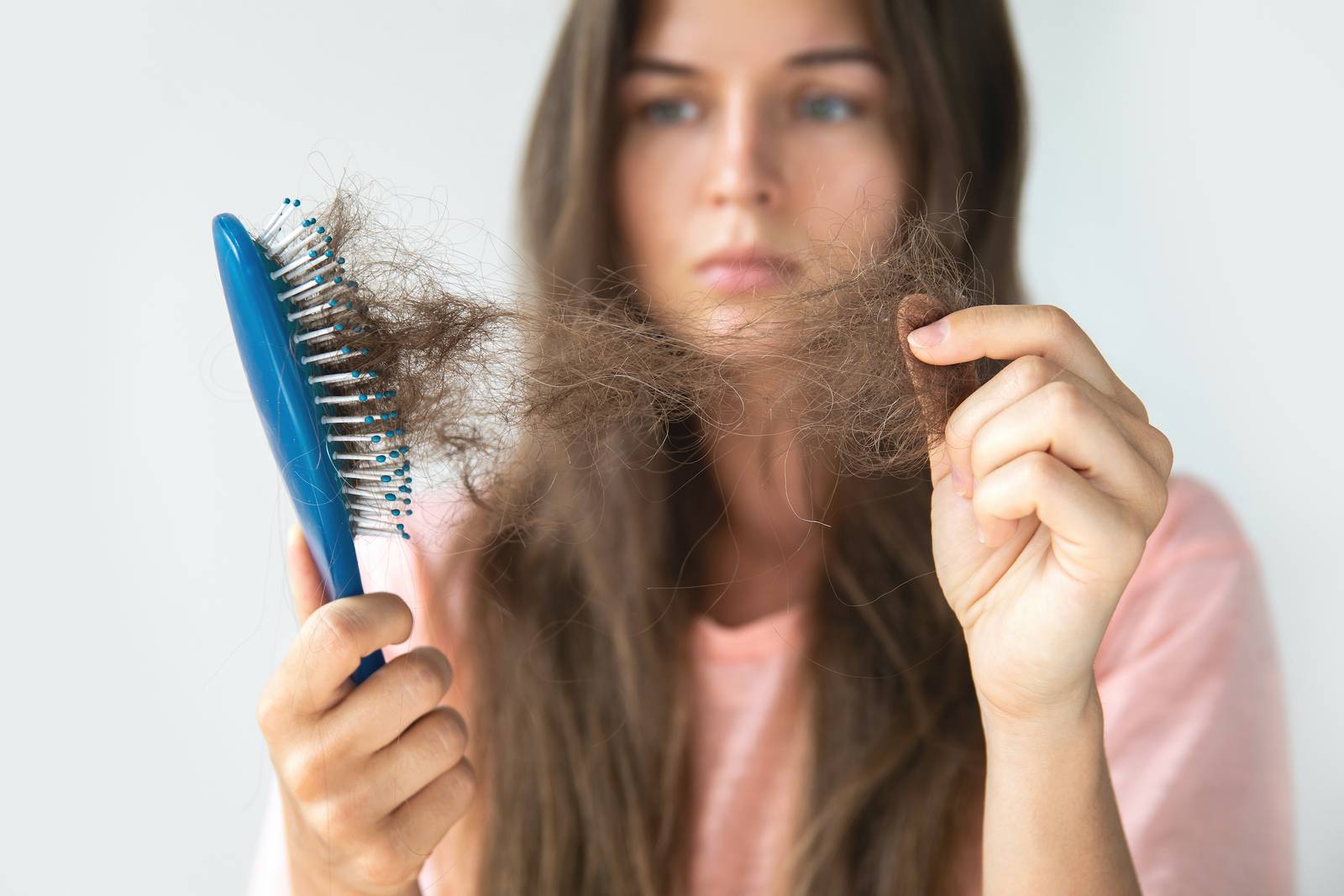
We all experience stress—but did you know it could literally make your hair fall out? If you’re noticing more strands on your pillow or hairbrush lately, your stress levels might be the hidden culprit. Hair fall due to stress is more common than you think, and the good news is: it’s usually temporary and treatable.
In this post, we’ll break down why stress causes hair fall, the science behind it, signs to look for, and most importantly—what you can do to stop it.
How Stress Affects Your Hair
Stress impacts nearly every system in your body, including your hair growth cycle. There are three types of stress-related hair loss:
1. Telogen Effluvium
This is the most common. Stress pushes hair follicles into the “resting” phase, causing hair to shed more easily. It usually occurs 2–3 months after a major stressor—like illness, surgery, job loss, or emotional trauma.
2. Alopecia Areata
In this autoimmune condition, stress may trigger the immune system to attack hair follicles, resulting in sudden round patches of hair loss. It can happen on the scalp or other parts of the body.
3. Trichotillomania
This is a psychological disorder where individuals feel a strong urge to pull out their own hair—often triggered by anxiety or emotional stress.
Signs of Hair Fall Due to Stress
-
Sudden thinning all over the scalp
-
Noticeable hair fall while combing or showering
-
Hair shedding that began a few months after a stressful event
-
Round bald patches (in case of alopecia areata)
-
Increased breakage and dry, brittle hair
If you’re losing more than 100 strands a day, it’s worth looking into the cause.
Scientific Explanation
Hair growth has three phases:
-
Anagen (growth)
-
Catagen (transition)
-
Telogen (rest)
Under stress, a higher percentage of hair shifts into the telogen phase, leading to more shedding. Stress also elevates cortisol levels, which can affect hormone balance and reduce nutrients reaching hair follicles.
Common Stress Triggers That Affect Hair
-
Major illness or surgery
-
Pregnancy or childbirth
-
Divorce or breakup
-
Financial or job-related stress
-
Sleep deprivation
-
Crash diets or poor nutrition
-
Emotional trauma (grief, burnout, etc.)
How to Stop Hair Fall from Stress
The key to recovery is treating both the stress and your scalp health. Here’s how:
1. Manage Your Stress First
-
Practice meditation, deep breathing, or yoga
-
Start journaling or therapy to process emotional triggers
-
Get at least 7–8 hours of sleep nightly
-
Avoid overworking—schedule regular breaks
-
Reduce caffeine and sugar intake
💡 Remember: managing stress isn’t optional—it’s essential.
2. Eat a Hair-Friendly Diet
Your hair needs nutrients to grow. Focus on:
-
Protein (eggs, fish, beans)
-
Iron (leafy greens, lentils)
-
Omega-3s (salmon, flaxseed)
-
Biotin and Zinc (nuts, seeds, whole grains)
-
Vitamin D (sunlight, mushrooms, supplements)
You May Also Like:
- Hormonal Imbalance & Hair Fall: What’s the Link?
- 10 Natural Remedies for Soft, Shiny Hair at Home
- Is Your Skin Actually Healthy? 7 Signs to Check Right Now
- What Is Acne and Why Does It Happen?
3. Use Scalp-Boosting Oils & Masks
Natural treatments can help nourish hair from the outside:
-
Castor oil + Rosemary oil: Stimulates follicles
-
Onion juice: Improves circulation
-
Aloe vera: Soothes inflammation
-
Coconut oil: Deep hydration
Apply 2–3 times a week and massage gently to boost blood flow.
4. Consider Supplements
If your diet isn’t filling all the gaps, supplements may help:
-
Biotin
-
Vitamin D
-
Iron (only if deficient)
-
Ashwagandha or Rhodiola Rosea for stress relief
🔄 Always consult with a doctor before starting new supplements.
5. Give It Time
With stress-related hair fall, recovery takes 3–6 months after the stressor has passed. Be patient, gentle with your hair, and stay consistent with healthy habits.
FAQs About Hair Fall and Stress
1. Will my hair grow back after stress?
Yes, in most cases, once your stress levels drop, hair grows back over several months.
2. How do I know if my hair loss is due to stress or something else?
If hair loss began a few months after a stressful event and is diffuse (all over), it’s likely telogen effluvium. See a dermatologist for confirmation.
3. Can chronic stress cause permanent hair loss?
Long-term stress may worsen genetic hair loss or alopecia, but most stress-related hair loss is reversible.
4. How soon will I see improvement after reducing stress?
Hair growth is slow. You might notice less shedding after 6–8 weeks, and regrowth in 3–6 months.
Final Thoughts
Stress may be invisible, but its effects on your body—and hair—can be painfully clear. The good news? Hair fall due to stress is usually temporary. By calming your mind, nourishing your body, and treating your scalp with care, you can support healthy regrowth and take back control of your hair.
You deserve to feel confident in your hair—and your health. Start small, stay consistent, and your strands will thank you.