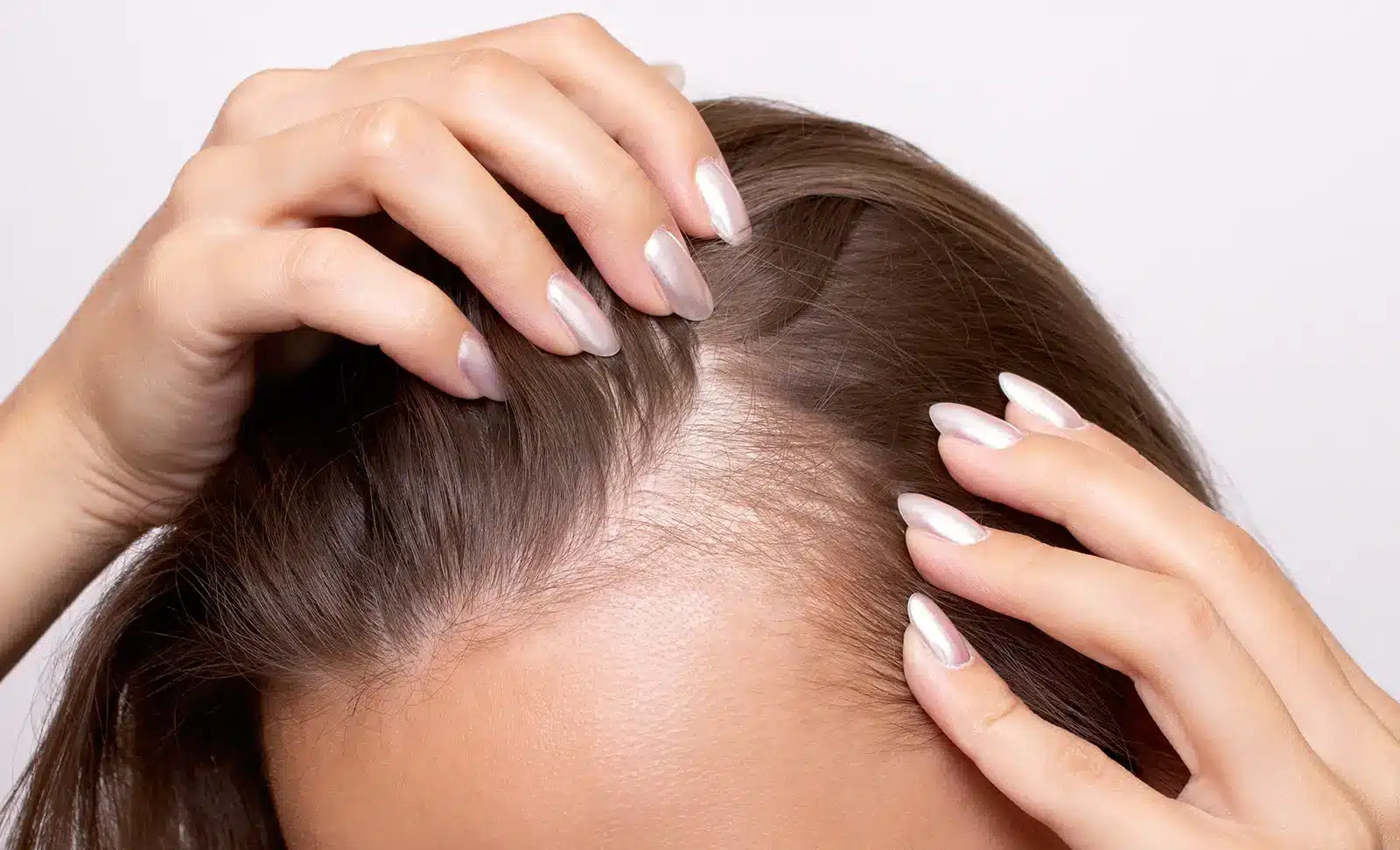
Hair fall in women is more common than most people realize. While stress, diet, and hair care routines often get blamed, one of the most overlooked causes of hair loss in women is hormonal imbalance. Hormones play a vital role in regulating the hair growth cycle, and even slight disruptions can lead to excessive shedding or thinning.
In this blog, we will explore seven hormonal reasons behind female hair loss that many women aren’t aware of, and what you can do to manage or reverse the issue.
1. Thyroid Hormone Imbalance
Hypothyroidism and Hyperthyroidism
An underactive thyroid (hypothyroidism) or overactive thyroid (hyperthyroidism) can severely disrupt the hair growth cycle. In both conditions:
- Hair may become dry, brittle, or thin.
- Diffuse hair fall is common across the scalp.
- Eyebrow thinning (especially outer third) can also occur.
Thyroid disorders are often underdiagnosed in women. A TSH, Free T3, and Free T4 test can help identify the issue.
2. Polycystic Ovary Syndrome (PCOS)
PCOS affects up to 10% of women of reproductive age and is a leading cause of hormonal hair loss. It causes an imbalance of androgens (male hormones), which can lead to:
- Thinning hair on the scalp (female-pattern hair loss)
- Increased facial or body hair (hirsutism)
- Irregular periods and acne
Managing insulin levels and using anti-androgen medications or supplements can help reduce hair fall linked to PCOS.
3. Pregnancy and Postpartum Hormonal Changes
During pregnancy, increased estrogen levels prolong the anagen (growth) phase, resulting in thicker, fuller hair. But after childbirth:
- Estrogen levels drop dramatically
- Many hairs enter the telogen (shedding) phase
This condition is called postpartum telogen effluvium, and although alarming, it’s temporary. Hair usually regrows within 6 to 12 months.
4. Menopause and Estrogen Decline
As women approach menopause, estrogen and progesterone levels decline. These hormones help keep hair in the growing phase. A drop in their levels can cause:
- Thinner hair texture
- Slower hair growth
- Increased shedding
Hormone replacement therapy (HRT) or phytoestrogen-rich foods may support hormonal balance during this phase.
5. Birth Control Pills and Hormonal Contraceptives
Starting or stopping birth control can shock your hormonal system, particularly pills with high androgenic activity. Side effects may include:
- Hair thinning or increased shedding
- Reactions that mimic PCOS-like symptoms
Switching to a lower androgen-index pill or non-hormonal birth control may help.
6. Elevated DHT Levels (Dihydrotestosterone)
DHT is a potent androgen that contributes to male and female pattern baldness. In women, elevated DHT can:
- Shrink hair follicles
- Shorten the hair growth cycle
- Cause temple or crown thinning
Anti-androgen medications like spironolactone or finasteride (used off-label in women) may help reduce DHT impact.
7. Adrenal Fatigue and Cortisol Imbalance
Chronic stress leads to elevated cortisol, which can:
- Push hair follicles into the resting phase
- Suppress hormone production (including thyroid and estrogen)
Adrenal fatigue can cause general hormonal disruption, worsening hair loss. Supporting your adrenal glands through rest, adaptogens, and stress reduction is essential.
When to See a Doctor
If you’re experiencing sudden, severe, or prolonged hair loss, it’s time to consult a healthcare provider. Blood work can evaluate levels of:
- Thyroid hormones
- Estrogen and progesterone
- Testosterone and DHEA
- Cortisol and insulin
Identifying the root hormonal cause is key to effective treatment.
How to Support Hair Growth Naturally
1. Eat a Hormone-Balancing Diet
- Include healthy fats (avocados, olive oil, seeds)
- Prioritize protein (eggs, lean meats, legumes)
- Get enough iron, zinc, and biotin
2. Reduce Stress
- Try yoga, meditation, or breathwork
- Limit caffeine and get 7-9 hours of sleep
3. Consider Supplements
- Vitamin D3
- Omega-3 fatty acids
- Saw palmetto (for androgen balance)
4. Use Gentle Hair Care Practices
- Avoid heat styling and harsh chemicals
- Use sulfate-free shampoos
- Gently detangle and massage your scalp
Final Thoughts
Hormonal hair loss in women is more common than many realize and often tied to deeper issues like thyroid dysfunction, PCOS, or menopause. Understanding these hormonal triggers can help you take control of your health and your hair.
If you suspect hormonal imbalances are at play, seek testing and professional guidance. With the right approach, many women can reverse hair loss and regain confidence in their hair and their health.