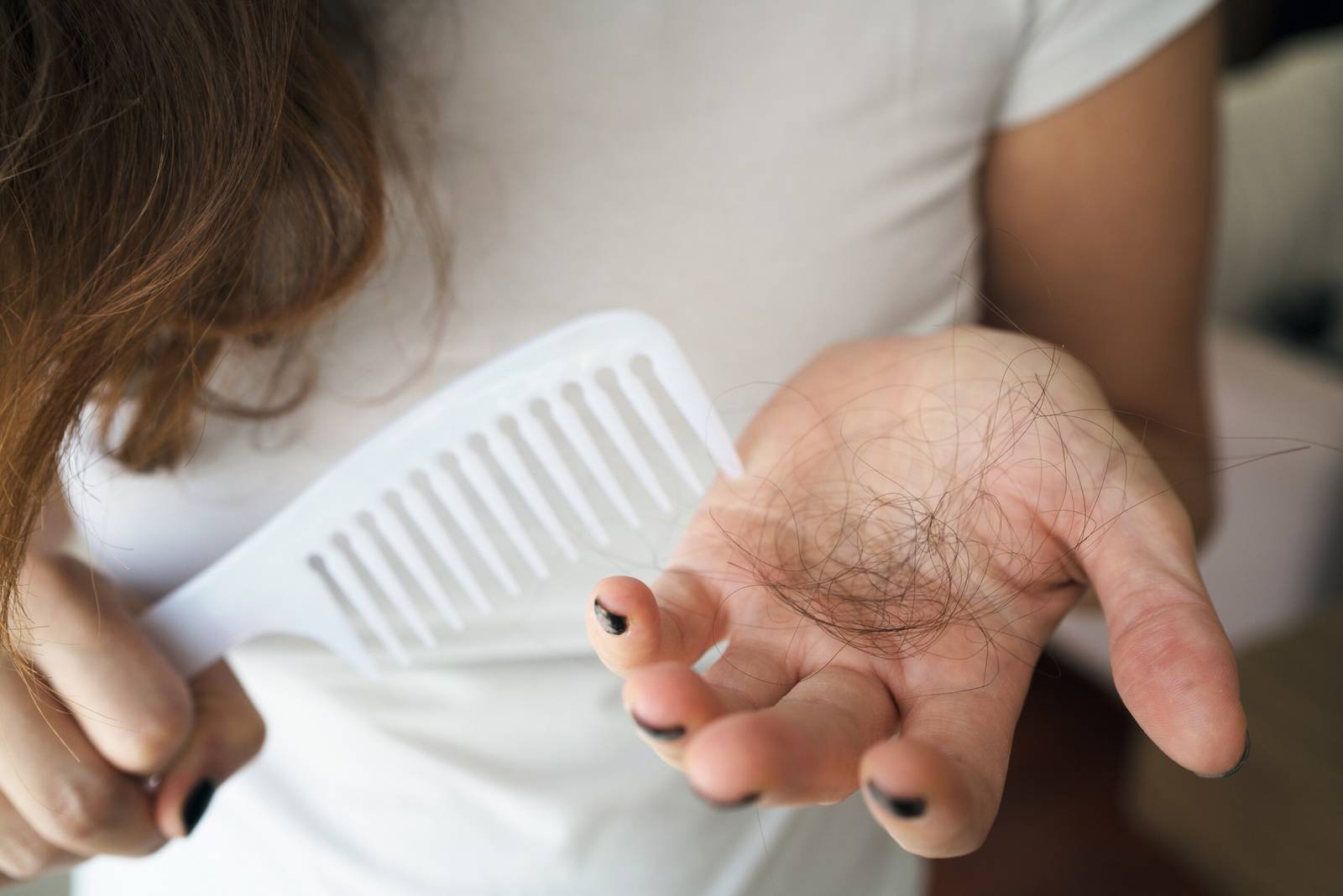
The global COVID-19 pandemic has left a long list of lingering symptoms in its wake, and one surprising issue that many people are facing is hair loss. If you’ve noticed more hair in your brush or on your pillow months after recovering from COVID-19, you’re not alone. This blog will explore the causes of hair loss after COVID-19, how common it is, what you can do about it, and when to seek professional help.
Understanding Post-COVID Hair Loss
The most common type of hair loss seen after a COVID-19 infection is known as telogen effluvium (TE). TE is a condition where a significant number of hair follicles are pushed into the resting (telogen) phase of the hair growth cycle. After a few months, these hairs shed more noticeably.
COVID-19 acts as a major physical and emotional stressor, which can trigger TE. Factors that contribute to this include:
- High fever and infection-related inflammation
- Physical stress from the illness
- Emotional distress from being sick or isolated
Most people begin to notice hair shedding two to three months after recovering from COVID-19, which aligns with the typical timeline of telogen effluvium.
How Common Is Hair Loss After COVID-19?
Hair loss is more common than many realize among COVID-19 survivors. According to a study published in The Lancet, about 22% of people hospitalized with COVID-19 experienced hair loss in the months following recovery. Even those with mild or moderate cases have reported similar symptoms.
Women seem to report post-COVID hair loss more often than men, likely due to both biological and sociocultural factors. However, men are not immune to this condition.
The Science Behind Telogen Effluvium
To understand why COVID-19 causes hair loss, it’s helpful to understand the hair growth cycle. There are three main phases:
- Anagen (growth phase) – Lasts 2-6 years
- Catagen (transitional phase) – Lasts a few weeks
- Telogen (resting/shedding phase) – Lasts about 3 months
Under normal conditions, about 5-10% of your hair is in the telogen phase at any given time. When your body experiences stress (like a COVID-19 infection), up to 30-50% of hairs can shift into this phase, leading to increased shedding several months later.
Symptoms of Post-COVID Hair Loss
The key characteristics of telogen effluvium following COVID-19 include:
- Diffuse thinning (not patchy)
- Excessive shedding when washing or brushing
- Hair appearing on pillows, drains, and floors
- No scarring or bald patches
It’s important to note that the condition is temporary. Most people will start to see improvement within 3 to 6 months, with full recovery taking up to a year.
Is It Permanent?
No, telogen effluvium is typically not permanent. It is a reversible form of hair loss. Hair follicles remain intact and will re-enter the growth phase once the triggering factor (in this case, COVID-19) is resolved.
However, in rare cases, prolonged shedding or underlying issues like nutritional deficiencies, thyroid imbalances, or chronic stress may need medical intervention.
How to Manage Hair Loss After COVID-19
The good news is that there are ways to support your body and your hair as you recover.
1. Optimize Nutrition
Hair health is closely linked to your nutritional status. Focus on:
- Protein-rich foods (eggs, fish, legumes)
- Iron (spinach, red meat, lentils)
- Zinc (pumpkin seeds, nuts)
- Biotin and B vitamins
- Vitamin D (sun exposure, supplements)
If you’re unsure about your levels, a doctor can run blood tests to identify any deficiencies.
2. Minimize Stress
Stress management is essential for recovery. Try:
- Mindfulness meditation
- Yoga or light exercise
- Deep breathing
- Adequate sleep (7-9 hours per night)
3. Be Gentle with Your Hair
Avoid excessive brushing, heat styling, or tight hairstyles. Use gentle shampoos, and avoid harsh chemical treatments until your hair returns to its normal cycle.
4. Topical Treatments
Some people find success using minoxidil (Rogaine) to speed up regrowth. However, it’s best to consult a dermatologist before starting any treatment.
5. Hydration and Scalp Care
Drinking plenty of water and keeping your scalp clean can help create a healthy environment for new growth.
When to Seek Medical Help
While most cases of post-COVID hair loss resolve on their own, you should consider seeing a healthcare provider or dermatologist if:
- Shedding persists longer than 6 months
- You notice bald patches or scarring
- There are signs of other underlying health issues (e.g., fatigue, brittle nails, weight loss)
A doctor may perform a scalp exam, blood tests, or even a scalp biopsy to determine the exact cause of the hair loss.
Other Possible Causes of Hair Loss
Not all post-COVID hair loss is telogen effluvium. Other possibilities include:
- Alopecia areata: An autoimmune condition causing patchy hair loss
- Nutritional deficiencies: Iron, B12, zinc, and protein
- Hormonal imbalances: Thyroid, postpartum changes
- Medication side effects
Identifying the true cause is crucial for effective treatment.
Can Vaccination Cause Hair Loss?
There is no solid evidence linking COVID-19 vaccines to hair loss. Most reports are anecdotal and may be due to unrelated stress or immune reactions. The benefits of vaccination in preventing severe illness far outweigh any unproven risks of hair shedding.
Frequently Asked Questions (FAQs)
1. How long does post-COVID hair loss last?
Typically 3 to 6 months, with full regrowth in up to 12 months.
2. Will my hair grow back?
Yes, in most cases. TE is a temporary and reversible condition.
3. Should I take supplements?
Only if you have a diagnosed deficiency. Excessive supplementation can do more harm than good.
4. Can children experience post-COVID hair loss?
Yes, although less common, children can also experience TE.
5. Can hair loss be a sign of long COVID?
It may be one of several lingering symptoms, but it usually resolves with time.
Final Thoughts
Hair loss after COVID-19 can be distressing, but understanding the causes and recovery process can bring reassurance. Telogen effluvium, the most common form, is temporary and treatable. Supporting your overall health, managing stress, and seeking medical advice when needed can all help your hair return to its normal state.
If you’re going through this, know that you’re not alone. With patience and proper care, most people see a full recovery in their hair health.