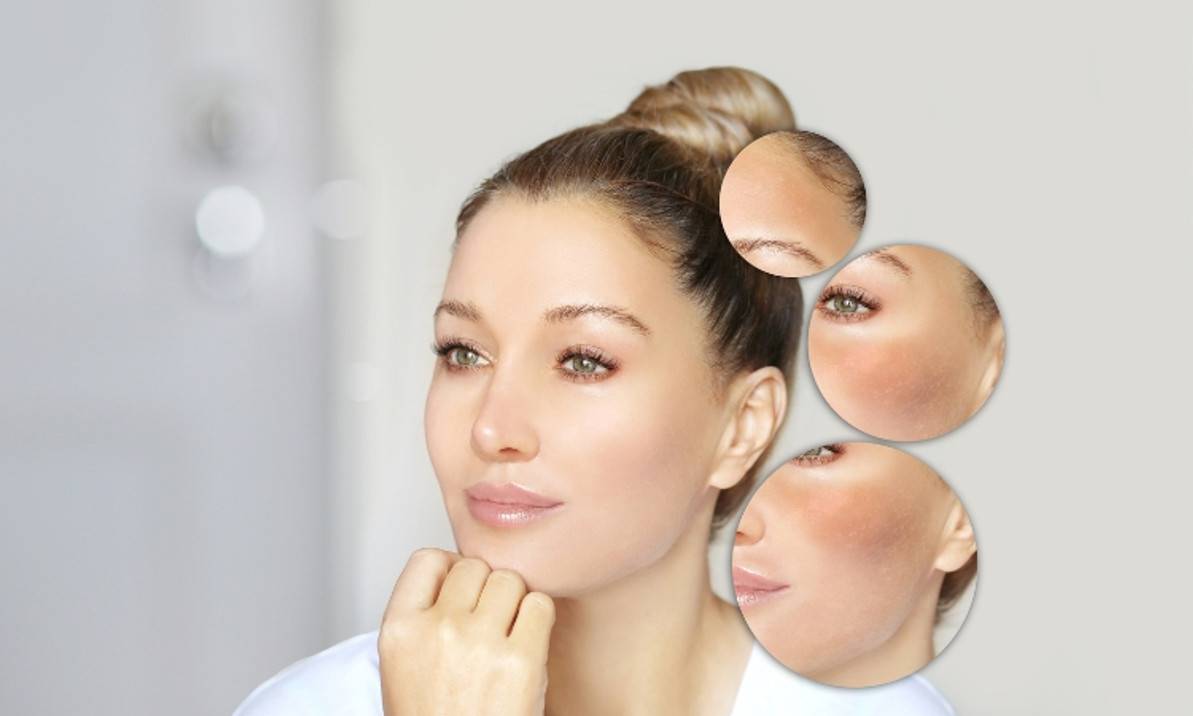
Ever dealt with dry, irritated, or breakout-prone skin that no product seems to fix? The problem might not be the products themselves—but your skin barrier. This essential layer of your skin is your body’s first line of defense, and when it’s compromised, your skin becomes vulnerable to a host of problems.
In this blog, we’ll explain what the skin barrier is, how it works, signs it’s damaged, and most importantly—how to protect and repair it naturally.
What Is the Skin Barrier?
The skin barrier, also known as the stratum corneum, is the outermost layer of your skin. It consists of:
- Skin cells (corneocytes)
- Lipids (ceramides, cholesterol, fatty acids)
Together, they form a “brick-and-mortar” structure that:
- Seals in moisture
- Blocks out irritants, bacteria, and pollutants
- Maintains overall skin health and function
When the barrier is healthy, your skin looks hydrated, smooth, and resilient. When it’s damaged, it can become dry, flaky, inflamed, or breakout-prone.
Signs Your Skin Barrier Is Damaged
- Persistent dryness or dehydration
- Redness and inflammation
- Increased sensitivity or stinging when applying products
- Flaky or rough texture
- Sudden acne or breakouts
- Tight or itchy feeling
If you notice multiple symptoms, your skin barrier may be compromised—and in need of repair.
Common Causes of a Damaged Skin Barrier
1. Over-Cleansing
Washing your face too frequently or using harsh cleansers can strip natural oils.
2. Over-Exfoliation
Too many chemical exfoliants (AHAs, BHAs) or physical scrubs can erode the protective layer.
3. Environmental Stressors
Pollution, UV radiation, wind, and cold weather can wear down the barrier over time.
4. Hot Showers
Long, hot showers can dehydrate skin and disrupt the lipid matrix.
5. Harsh Ingredients
Alcohol, synthetic fragrances, and sulfates can be irritating to sensitive or compromised skin.
How to Protect and Repair Your Skin Barrier
1. Use a Gentle, pH-Balanced Cleanser
Look for cleansers labeled pH-balanced or soap-free with hydrating ingredients like glycerin or aloe vera.
2. Moisturize with Barrier-Friendly Ingredients
The goal is to replenish lipids and lock in moisture. Look for:
- Ceramides
- Cholesterol
- Fatty acids
- Hyaluronic acid
- Squalane
3. Simplify Your Skincare Routine
Avoid product overload. Stick to:
- Cleanser
- Moisturizer
- Sunscreen (AM)
Add actives only once the barrier is repaired.
4. Avoid Over-Exfoliation
Limit exfoliation to 1–2 times per week. Use mild acids like lactic acid or PHA instead of harsher ones.
Also Read :
- Is Your Skin Actually Healthy? 7 Signs to Check Right Now
- What Is Acne and Why Does It Happen?
- 10 Natural Remedies for Soft, Shiny Hair at Home
- Hair Fall Due to Stress: Why It Happens & How to Stop It
5. Wear Sunscreen Daily
UV damage can impair skin barrier function. Use a broad-spectrum SPF 30+ even on cloudy days.
6. Hydrate Internally
Drink plenty of water and eat foods rich in:
- Omega-3 fatty acids (flaxseed, walnuts, fish)
- Antioxidants (berries, leafy greens)
Recommended Skin Barrier-Friendly Products
- Cleansers: CeraVe Hydrating Cleanser, La Roche-Posay Toleriane
- Moisturizers: Vanicream, Bioderma Atoderm, First Aid Beauty Ultra Repair Cream
- SPF: EltaMD UV Clear, Supergoop! Unseen Sunscreen
When to See a Dermatologist
If your symptoms persist despite barrier-focused care, consult a dermatologist. You may have:
- Eczema or dermatitis
- Rosacea
- Allergic reaction to an ingredient
- Underlying skin infection
A professional can prescribe treatments and help rebuild your skin health safely.
Final Thoughts
Your skin barrier is the foundation of healthy skin. When it’s strong, your skin looks and feels its best. When it’s weak, everything from dryness to breakouts can follow.
The good news? The skin barrier can heal with proper care. By simplifying your routine, using barrier-friendly ingredients, and protecting it from stressors, you can restore your glow and resilience—naturally.