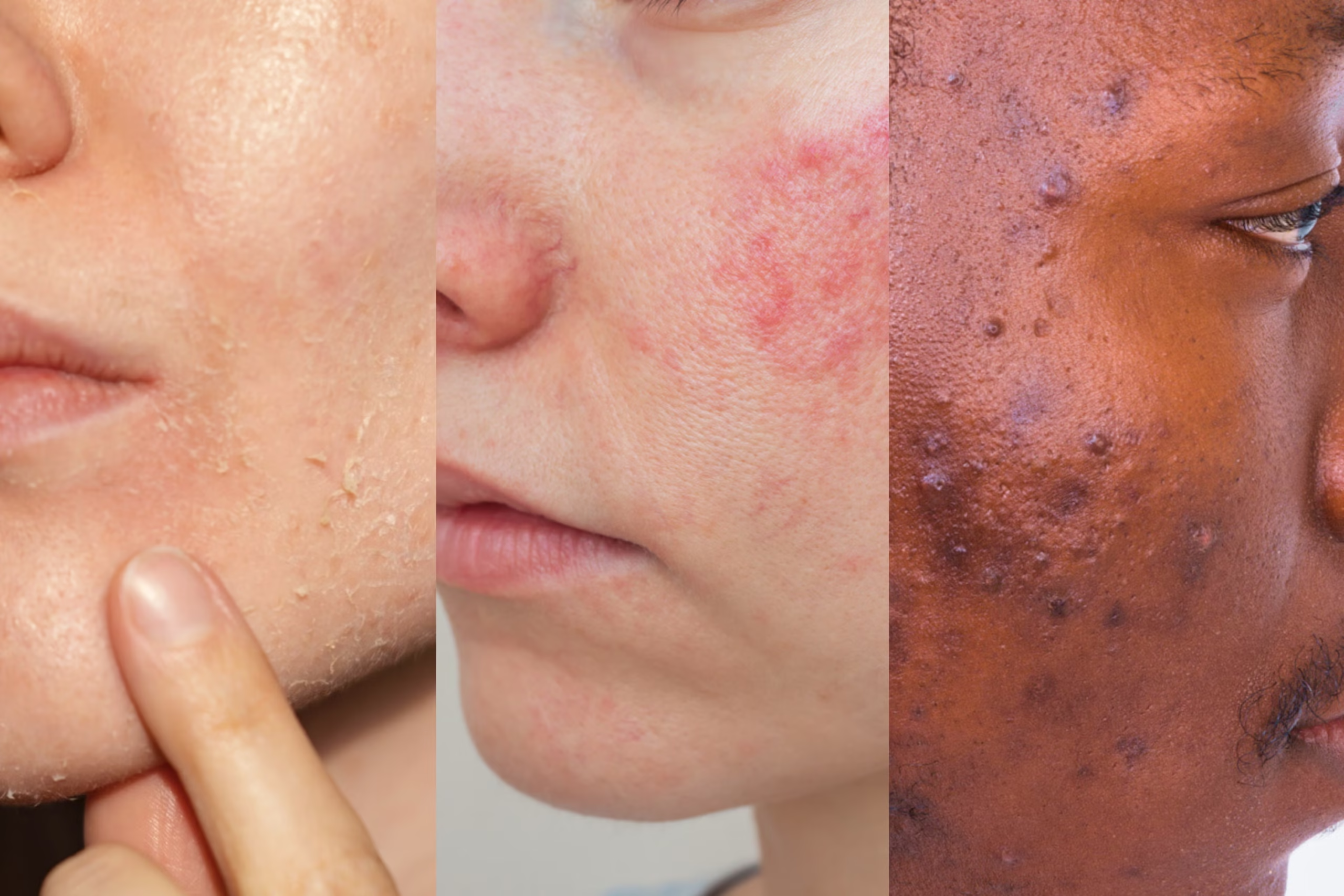
If your skin feels tight, looks red, or burns when you apply even gentle products, your skin barrier may be damaged. According to dermatologists, the skin barrier is crucial for protecting against environmental irritants, locking in moisture, and keeping your skin healthy and resilient.
In this dermatologist-backed guide, we’ll explain what causes a damaged skin barrier, how to recognize the signs, and step-by-step ways to repair it—using proven tips and ingredients.
What Is the Skin Barrier?
The skin barrier is the outermost layer of your skin, known as the stratum corneum. It’s made of:
- Corneocytes (skin cells)
- Lipids (ceramides, fatty acids, cholesterol)
This “brick-and-mortar” system forms a waterproof, protective seal that defends against pathogens and prevents water loss.
When this barrier is compromised, moisture escapes and irritants can enter, leading to inflammation and sensitivity.
Dermatologist-Approved Signs of a Damaged Skin Barrier
- Burning or stinging when applying skincare
- Persistent redness or blotchiness
- Flaky, rough, or scaly texture
- Increased breakouts or sensitivity
- Tightness even after moisturizing
Common Causes of Barrier Damage
1. Over-Exfoliation
Using too many acids (AHAs/BHAs), scrubs, or retinoids.
2. Harsh Skincare Products
Products with sulfates, alcohol, synthetic fragrance, or high pH.
3. Environmental Stress
Pollution, sun exposure, cold winds, and dry air.
4. Hot Water
Frequent hot showers or baths strip away natural oils.
5. Underlying Skin Conditions
Eczema, rosacea, or contact dermatitis can weaken the barrier.
How to Repair Your Skin Barrier (Dermatologist-Approved Steps)
Step 1: Stop Active Ingredients Temporarily
Cut back on:
- Retinoids
- Vitamin C
- Exfoliating acids (glycolic, salicylic, lactic acid)
Let your skin focus on healing before reintroducing actives.
Step 2: Use a Gentle, pH-Balanced Cleanser
Choose soap-free, non-foaming cleansers like:
- CeraVe Hydrating Cleanser
- Vanicream Gentle Facial Cleanser
Avoid hot water and double cleansing unless wearing heavy makeup.
Step 3: Moisturize Strategically
Look for moisturizers rich in:
- Ceramides
- Cholesterol
- Fatty acids
- Hyaluronic acid
Apply moisturizer twice daily and after cleansing.
You might also like this:
- Skin Barrier: What It Is & How to Protect It
- Is Your Skin Actually Healthy? 7 Signs to Check Right Now
- What Is Acne and Why Does It Happen?
- Hormonal Imbalance & Hair Fall: What’s the Link?
- Hair Fall Due to Stress: Why It Happens & How to Stop It
Step 4: Seal in Moisture With Occlusives
Use occlusive ingredients like:
- Petrolatum (Vaseline)
- Shea butter
- Squalane oil
These help lock in hydration and create a protective barrier.
Step 5: Wear Sunscreen Every Day
UV rays further weaken a compromised barrier. Choose:
- Mineral SPF (zinc oxide or titanium dioxide)
- Fragrance-free, sensitive-skin formulas
Examples: EltaMD UV Clear, La Roche-Posay Mineral SPF
Step 6: Avoid Overwashing
Cleanse only twice a day (or once if very dry) and after sweating. Avoid micellar water with alcohol.
Recommended Skin Barrier Repair Products
- Moisturizers: CeraVe Moisturizing Cream, Avene Tolerance Extreme, La Roche-Posay Cicaplast Baume B5
- Serums: The Ordinary Hyaluronic Acid 2% + B5, Vichy Mineral 89
- Ointments: Aquaphor Healing Ointment, Vaseline
When to See a Dermatologist
If your skin barrier doesn’t improve after 2–3 weeks of gentle care, it may be time to consult a board-certified dermatologist. You may need:
- Prescription creams (like hydrocortisone or calcineurin inhibitors)
- Allergy patch testing
- Treatment for underlying conditions (e.g., eczema, rosacea)
Final Thoughts
A damaged skin barrier is frustrating—but not permanent. With a simplified skincare routine, barrier-repairing ingredients, and dermatologist-approved strategies, your skin can heal and return to a calm, hydrated, and glowing state.
Give your skin the rest and support it needs, and you’ll be rewarded with resilience and radiance over time.