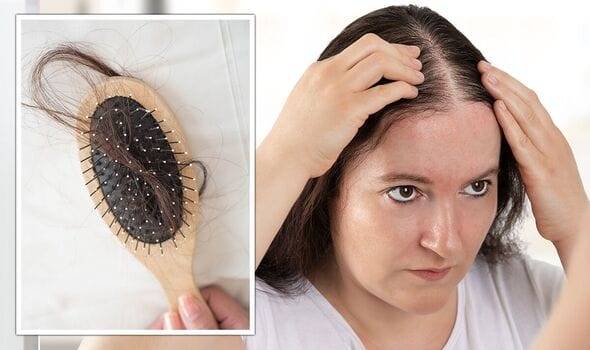
If you’re experiencing unexplained hair thinning or excessive shedding, your thyroid could be the hidden culprit. The thyroid gland plays a crucial role in regulating metabolism, energy levels, and—you guessed it—hair growth. Both hypothyroidism (underactive thyroid) and hyperthyroidism (overactive thyroid) can disrupt the hair growth cycle, leading to noticeable hair changes.
In this blog, we’ll explore how thyroid disorders contribute to hair loss and what you can do to naturally restore healthy hair.
How Thyroid Hormones Affect Hair Growth
Your hair follicles go through a growth cycle that includes:
- Anagen (growth phase)
- Catagen (transition phase)
- Telogen (resting/shedding phase)
Thyroid hormones—primarily T3 (triiodothyronine) and T4 (thyroxine)—are essential for maintaining the anagen phase. When these hormones are out of balance:
- Hair may shift prematurely to the telogen phase
- Follicles shrink or become inactive
- Hair becomes thin, brittle, and falls out more easily
Hypothyroidism and Hair Loss
Common symptoms include:
- Dry, coarse, thinning hair
- Hair loss from the scalp, eyebrows (especially outer third), and body
- Fatigue, weight gain, cold intolerance, constipation
In hypothyroidism, reduced thyroid hormone slows down cellular regeneration, which weakens hair follicles and prolongs the telogen phase.
Causes:
- Hashimoto’s thyroiditis (autoimmune)
- Iodine deficiency
- Postpartum thyroiditis
Hyperthyroidism and Hair Loss
Common symptoms include:
- Fine, brittle hair
- Diffuse scalp thinning
- Weight loss, anxiety, insomnia, heat intolerance
Excess thyroid hormones overstimulate the metabolism, which can exhaust hair follicles and push them into early shedding.
Causes:
- Graves’ disease (autoimmune)
- Thyroid nodules
- Excessive iodine or medication
Thyroid Medications and Hair Loss
Ironically, both untreated thyroid disorders and thyroid medications (like levothyroxine) can cause hair shedding. This is usually temporary and resolves as your hormone levels stabilize.
If you notice worsening hair loss after starting medication, consult your doctor. A dosage adjustment or switching brands may help.
How to Identify Thyroid-Related Hair Loss
You may be dealing with thyroid-related hair loss if you have:
- Diffuse thinning across the scalp
- Other symptoms of thyroid imbalance
- A family history of thyroid conditions
Ask your doctor for a thyroid panel including:
- TSH (thyroid-stimulating hormone)
- Free T3
- Free T4
- Thyroid antibodies (TPOAb, TgAb)
Natural Ways to Support Thyroid and Hair Health
1. Nourish Your Body with Key Nutrients
Your thyroid and hair both depend on specific nutrients:
- Iodine (seaweed, iodized salt)
- Selenium (Brazil nuts, sunflower seeds)
- Zinc (pumpkin seeds, legumes)
- Iron (leafy greens, red meat)
- Vitamin D and B12 (supplements if deficient)
2. Manage Stress
Chronic stress can suppress thyroid function and trigger hair loss.
- Practice yoga, mindfulness, or journaling
- Prioritize quality sleep (7–9 hours)
3. Support Gut Health
The gut influences hormone conversion and immune balance:
- Include probiotics and fermented foods
- Avoid processed foods and artificial additives
4. Exercise Gently
Low-impact workouts support thyroid function without stressing the body:
- Walking, yoga, swimming, or cycling
5. Use Natural Hair Care Products
Avoid harsh chemicals that can irritate the scalp or interfere with hormone function:
- Choose sulfate- and paraben-free shampoos
- Consider essential oils like rosemary or lavender
When to See a Doctor
If hair loss is severe or persistent, and especially if it’s accompanied by fatigue, mood changes, or weight fluctuations, consult a healthcare provider. They may recommend:
- Comprehensive thyroid testing
- Imaging (ultrasound)
- Endocrinologist referral for advanced care
Final Thoughts
Thyroid-related hair loss can be unsettling, but it’s often a sign of an underlying hormonal imbalance that can be addressed. With proper testing, medical support, and natural lifestyle changes, you can restore your hair—and your health.
Don’t ignore the signs. If you suspect your thyroid is affecting your hair, get tested and take steps toward recovery. Your hair is a reflection of your inner health—and it’s worth the care.