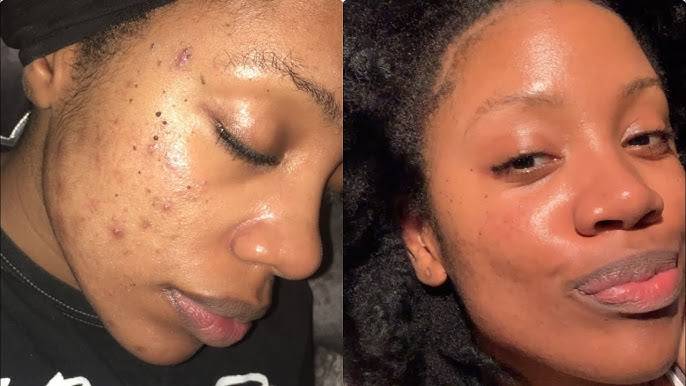
Acne is one of the most common skin conditions that affects people of all ages, especially teenagers and young adults. But what exactly is acne, and why does it happen in the first place?
Let’s understand it deeply.
What Is Acne?
Acne is a skin condition that occurs when your hair follicles become blocked with excess oil (sebum), dead skin cells, and bacteria. This blockage leads to breakouts, which may include whiteheads, blackheads, pimples, nodules, or cysts. Acne is most common on the face, chest, shoulders, and back—areas with the most oil glands.
While it is not a dangerous condition, severe acne can leave permanent scars and cause emotional distress. It affects both males and females and is more likely to appear during puberty, though it can also affect adults.
Related Read:
- Different Types of Acne: Blackheads, Whiteheads, Cysts & More
- Hormonal Imbalance & Hair Fall: What’s the Link?
Why Does Acne Happen?
There is no single cause of acne. It usually results from a combination of the following factors:
Excess Oil Production: The sebaceous glands in your skin produce oil to keep your skin soft and hydrated. However, when too much oil is produced, it can mix with dead skin cells and clog your pores.
Clogged Hair Follicles: Dead skin cells are naturally shed from your skin. But if they remain on the surface or within the pores, they can clog the follicles and cause whiteheads or blackheads.
Bacterial Growth: A specific bacteria called Propionibacterium acnes (P. acnes) naturally lives on your skin. When it grows rapidly inside clogged pores, it leads to redness, swelling, and pus formation.
Hormonal Changes: Hormones called androgens increase during puberty and cause sebaceous glands to enlarge and produce more oil. Hormonal fluctuations during menstruation, pregnancy, or due to stress can also trigger acne.
Genetics: If your parents had acne, you’re more likely to develop it too. Genetics can determine your skin’s sensitivity to hormonal changes and oil production.
Diet and Lifestyle: Although not a direct cause, high-sugar foods, dairy products, oily food, and lack of sleep may worsen acne. Stress and poor skincare habits can also aggravate it.
Types of Acne
Understanding the different types of acne can help you find the most effective treatment.
Whiteheads: These are closed clogged pores that appear as small white bumps.
Blackheads: These are open clogged pores exposed to air, which causes them to darken.
Papules: Small, red, inflamed bumps without pus.
Pustules: Pimples filled with pus. They are red at the base and white or yellow at the top.
Nodules: Large, hard, painful lumps deep under the skin. They don’t usually contain pus.
Cysts: Deep, painful, pus-filled lesions that can scar if not treated properly.
How to Treat Acne
Treating acne requires patience and the right approach. Here are some of the most effective options:
Topical Treatments: These are creams or gels applied directly to the skin and include ingredients like benzoyl peroxide, salicylic acid, retinoids, or tea tree oil.
Oral Medications: For moderate to severe acne, dermatologists may prescribe antibiotics, hormonal treatments (like birth control pills for females), or isotretinoin in extreme cases.
Proper Skincare Routine: Cleanse your skin twice a day with a mild, non-comedogenic cleanser. Avoid harsh scrubbing. Use a light moisturizer and never sleep with makeup on.
Natural Remedies: Some people find relief from natural products like aloe vera, green tea extract, or a honey mask, though scientific evidence varies.
Related Read:
Tips to Prevent Acne
- Wash your face twice daily using a gentle cleanser.
- Avoid touching your face with unwashed hands.
- Drink at least 8–10 glasses of water daily.
- Maintain a healthy, low-sugar diet with lots of fruits and vegetables.
- Manage stress through meditation, exercise, or hobbies.
- Change your pillowcases and bedsheets regularly.
- Use sunscreen that is labeled “non-comedogenic” to avoid clogging pores.
When to See a Dermatologist
If your acne is severe, painful, cystic, or not improving after using over-the-counter products for a few weeks, it is best to consult a dermatologist. Early medical treatment can prevent permanent scars and give you better control over breakouts.
Final Thoughts
Acne is a common issue, but it doesn’t have to control your life. With the right understanding of what acne is and why it happens, along with a good skincare routine and professional advice when needed, you can manage it effectively. Clear skin is a journey, not a destination—so be consistent and kind to your skin.