When most people think of skincare, they picture glowing complexions, smooth texture, and looking attractive. But in reality, skin health is about much more than just looks. Your skin is the body’s largest organ, and its condition reflects your internal health, immunity, and lifestyle choices.
In this blog, we’ll uncover why skin health matters deeply—even beyond the mirror—and how you can take care of it for long-term well-being.
The Skin: More Than Just a Covering
Your skin is your body’s first line of defense. It protects you from pollution, infections, harmful bacteria, UV rays, and harsh weather. It also helps regulate temperature, stores water and fat, and communicates signals like pain, heat, or pressure.
Healthy skin is a sign of balance, not just beauty.
1. Skin Health Reflects Internal Health
Many skin conditions are symptoms of deeper health issues. For example:
-
Acne can signal hormonal imbalance or gut issues
-
Dry, flaky skin may be caused by dehydration or thyroid problems
-
Rashes or redness can point to allergies or immune disorders
-
Pale or yellow skin may indicate anemia or liver issues
Your skin often reveals what’s happening inside your body before lab tests do.
2. A Strong Barrier Protects Against Infection
Healthy skin has a strong outer layer (the epidermis) that prevents bacteria, viruses, and harmful substances from entering your body. Cracked, broken, or dry skin can create entry points for infection.
Skincare isn’t about vanity—it’s about keeping your immune shield intact.
3. Skin Plays a Role in Detox and Regulation
Your skin helps eliminate toxins through sweat glands. It also regulates body temperature by releasing sweat and adjusting blood flow. A healthy skin barrier supports these functions better, helping your body detox naturally.
4. Mental Health Is Connected to Skin Health
Skin issues like acne, eczema, and pigmentation can affect self-esteem, confidence, and even lead to anxiety or depression. Taking care of your skin is a form of self-care that benefits both your mental and emotional health.
You don’t have to aim for flawless skin—just comfortable, healthy skin.
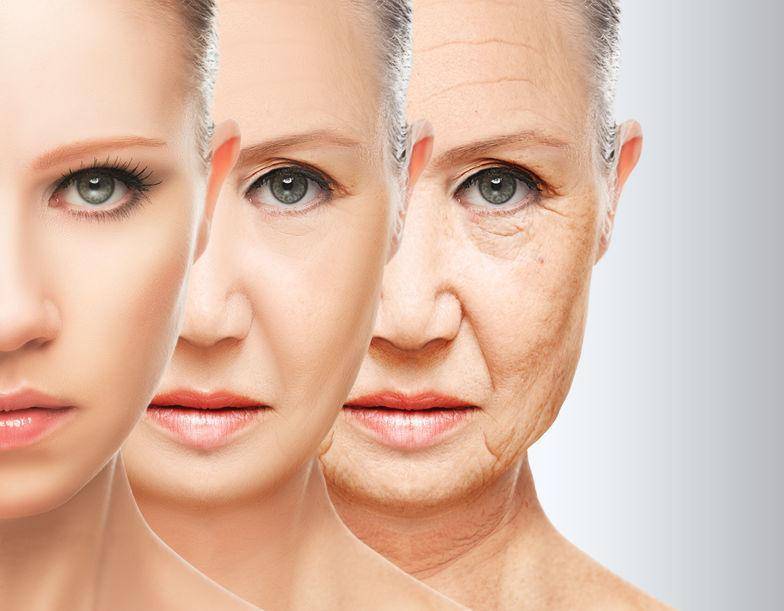
5. Preventing Premature Aging and Damage
Sun damage, pollution, stress, and poor diet can weaken your skin and cause:
-
Fine lines and wrinkles
-
Loss of elasticity
-
Dullness and dark spots
Maintaining good skin health protects your collagen and delays premature aging. It’s never just about beauty—it’s about long-term function and resilience.
How to Support Your Skin Health Daily
-
Stay Hydrated: Water keeps your skin elastic and smooth
-
Eat Skin-Friendly Foods: Include fruits, veggies, healthy fats, and protein
-
Use Sunscreen Daily: Protects from harmful UV rays
-
Follow a Gentle Skincare Routine: Cleanse, moisturize, and avoid harsh products
-
Manage Stress: Cortisol can trigger breakouts and dullness
-
Get Enough Sleep: Your skin repairs itself at night
Conclusion
Skin is much more than a beauty feature—it’s a living, breathing organ that protects, regulates, and reflects your health. Focusing only on how your skin looks on the outside ignores the deeper message your body may be sending.
So take care of your skin, not just to look good, but to feel good and stay well from the inside out.
Sources
-
American Academy of Dermatology
-
Mayo Clinic
-
National Institutes of Health (NIH)
-
Healthline
-
International Journal of Dermatology